Movies like Intervals
If you enjoyed Intervals, you may also like Predestination, I Saw the TV Glow and Mike & Nick & Nick & Alice. These recommendations share similar themes, tone, or genres, making them great choices for your next watch.
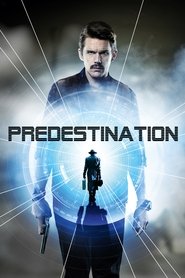
Predestination • Movie • Rating 7.4 out of 10
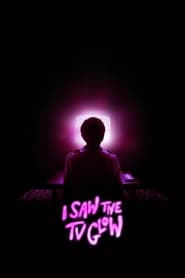
I Saw the TV Glow • Movie • Rating 6.2 out of 10
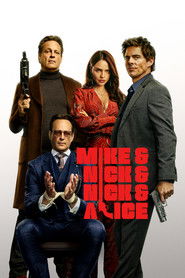
Mike & Nick & Nick & Alice • Movie • Rating 6.7 out of 10
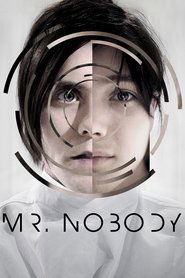
Mr. Nobody • Movie • Rating 7.8 out of 10
Here • Movie • Rating 6.5 out of 10

One Mile: Chapter One • Movie • Rating 6.8 out of 10

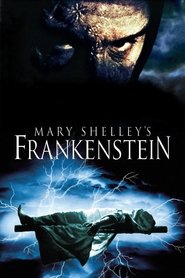
Mary Shelley's Frankenstein • Movie • Rating 6.4 out of 10
Cashback • Movie • Rating 7.0 out of 10

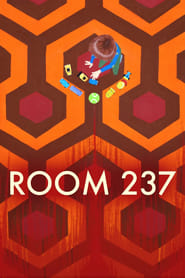
Room 237 • Movie • Rating 6.1 out of 10
Savage Streets • Movie • Rating 6.3 out of 10

Magazine Dreams • Movie • Rating 6.9 out of 10

Birth of the Dragon • Movie • Rating 5.8 out of 10

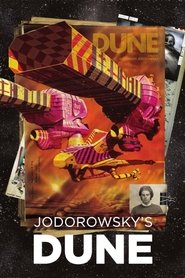
Jodorowsky's Dune • Movie • Rating 7.8 out of 10
The Stakelander • Movie • Rating 5.9 out of 10

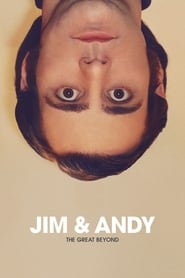
Jim & Andy: The Great Beyond • Movie • Rating 7.5 out of 10
Symbiopsychotaxiplasm: Take One • Movie • Rating 6.8 out of 10
Vampir Cuadecuc • Movie • Rating 6.1 out of 10
Stardust Memories • Movie • Rating 6.9 out of 10

Scorpio Rising • Movie • Rating 6.6 out of 10

An Adventure in Space and Time • Movie • Rating 7.7 out of 10
What is Intervals about?
Ideologically, we are made to contextualise the visuals in front of our eyes with respect to a grand narrative. In watching and subsequently creating conventional films(in that the audience ‘creates’ the film in her mind, determining the film’s epistemological drive), the audience fills in a ‘pre-determined’ set of causalities in order to initiate her own cathartic reaction at the end of the film. In ‘intervals’, film-in both its realist and surreal traditions-is treated as a unified, material history; and letting this history to function as a grammatical hinge, shots are selected from it, barred from their context, and are presented in a seemingly linear pattern. However, only shots that are conventionally meant to ‘fill in’ the inconsequential details of the narrative cause of films are chosen-the small ‘intervals’-in an altogether different context(or lack thereof), to posit a possibility of free association in determining both metanarratives, and micro(hi)stories... The story is brought to life by director Rahee Punyashloka. With a runtime of 7 minutes, it offers a concise viewing experience.