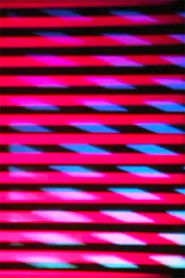
Movies like Second Hermeneutic
If you enjoyed Second Hermeneutic, you may also like Minions & Monsters, Freakier Friday and Surf's Up. These recommendations share similar themes, tone, or genres, making them great choices for your next watch.
Minions & Monsters • Movie • Rating 7.6 out of 10

Freakier Friday • Movie • Rating 6.8 out of 10

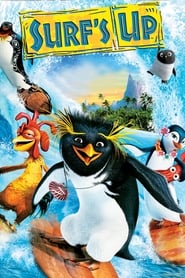
Surf's Up • Movie • Rating 6.5 out of 10
Crimes of the Future • Movie • Rating 6.0 out of 10

DC Showcase - Batman: Death in the Family • Movie • Rating 7.1 out of 10

Piece by Piece • Movie • Rating 7.1 out of 10

The Pixar Story • Movie • Rating 7.5 out of 10

Boundin' • Movie • Rating 6.5 out of 10

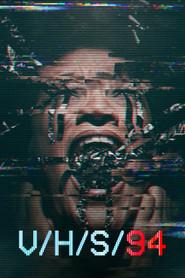
V/H/S/94 • Movie • Rating 6.1 out of 10
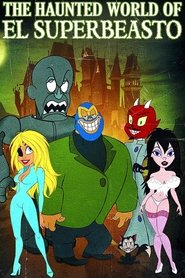
The Haunted World of El Superbeasto • Movie • Rating 5.9 out of 10
V/H/S/2 • Movie • Rating 6.2 out of 10

Jesus • Movie • Rating 7.5 out of 10

Hellboy Animated: Blood and Iron • Movie • Rating 6.3 out of 10
Jodorowsky's Dune • Movie • Rating 7.8 out of 10

Sturgill Simpson Presents Sound & Fury • Movie • Rating 6.1 out of 10

78/52 • Movie • Rating 7.1 out of 10

Vincent • Movie • Rating 7.8 out of 10

The Blue Umbrella • Movie • Rating 7.5 out of 10
V/H/S/99 • Movie • Rating 5.9 out of 10
Vampir Cuadecuc • Movie • Rating 6.1 out of 10
What is Second Hermeneutic about?
In Second Hermeneutic, the visuals are created by a pair of graphic animated films projected so that they partially overlap, the animated bands and fields of color linked audibly to the soundtrack in an immediately synchronous way – as something appears on screen, there is a directly audible response. This sound emerges from his use of the video camera’s visual output run through his audioboard to the speakers: it is an analogue sonification of the video signal. As a purely audio-visual experience, the performance might seem similar to such early expanded cinema works as Paul Sharits’ Shutter Interface (1975) where a series of four film projectors overlap their frames, creating juxtapositions and combinations on screen – as in Second Hermeneutic; however, the difference is instantly apparent in the performance itself – the soundtrack emerges from the interaction of projected imagery resembling the bands and bars of an optical soundtrack, but with the addition of saturated color. The story is brought to life by director Michael Morris. With a runtime of 9 minutes, it offers a concise viewing experience.